
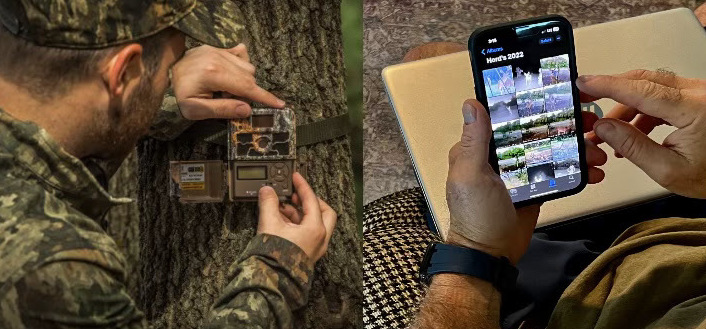
I Can Remember Hunting with My Dad as a Child. It was fun, empowering, and…simple. Sure, those cold early morning hours were hard at times, but the endeavor was straightforward. Get up, put on warm clothing, and gather my binoculars, gun, and skinning knife. I didn’t yet know how to properly handle the latter, but I felt like big stuff packing a blade. In those days, it was more about dressing to enhance comfort, being still, and dreaming of the big buck that just might walk by our blind. Granted, we had never seen him before, but the dream was alive and well. He was out there somewhere.
Fast Forward to Today. Hunting has become more complicated for most folks. Newer phenomena pervade the hunting landscape. Range-finders, technical camo, high-performing utility vehicles, and a plethora of hunting gadgets are the norm these days.
The World of Trail Cameras. A regular fixture in the hunting woods for a few decades now, the little camera boxes seem to be attached to every other tree. However, for about the last decade, wireless models have taken off. And it’s been monumental in the world of hunting and scouting. It’s also been a polarizing topic in the pro-hunting, anti-hunting, and conservation communities. Need proof? States like Montana and Kansas have recently banned them for hunting, largely due to issues around fair chase.
What is a Wireless Trail Camera?
First off, while wireless cameras are sometimes used for security applications, the hunting demographic is by far the leading user. A wireless (or cellular) camera uses cellular connectivity to transmit images to a cloud-based system. With a good connection, Joe Hunter can view images of deer on his hunting grounds from his smartphone—almost immediately. For a nominal fee, you can buy a monthly plan and, assuming you have a good signal in your hunting area, gawk at your quarry from the dinner table, bed, or coffee shop. Needless to say, Wile E. Coyote would be proud.
Benefits of Trail Cameras
It’s no secret that trail cameras are must-have hunting gear for today’s hunters, particularly those chasing whitetail deer. While not everyone has made the wireless plunge, many have. Note that most hardcore hunters will do about anything legal to stack the deck in their favor.
The benefits of these cellular gems include tracking deer movement from about anywhere. I call it absentee scouting. This means more than having the ability to lounge around while checking for shooter bucks (we already had that with regular cell cams). It means that hunters obtain real-time data as opposed to manually pulling a card that shows days-old deer movement. They also decrease a hunter’s footprint through fewer treks to the field—that’s less scent and chaos near your whitetail honey holes.
Some hunters tout that wireless trail cameras are no different from other hunting tools such as binoculars, spotting scopes, and rangefinders. They simply enhance a hunter’s senses and skills. Further, from a conservation and habitat management standpoint, they hold that the technology, when used correctly and ethically, enhances the hunter’s understanding of the landscape and animal behavior, ultimately leading to more ethical and sustainable habitat, management, and hunting methods.
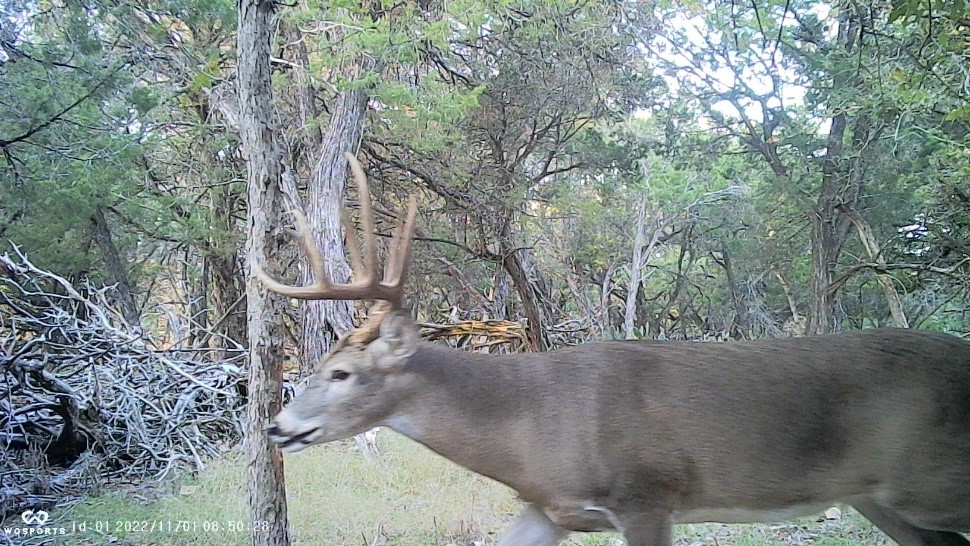
With wireless game cams, you can be alerted to deer on your hunting property – and view them on your smartphone from about anywhere
Trouble in Paradise
There is, of course, opposition to these devices for a variety of reasons, such as the potential for invasion of privacy from unauthorized use on private property. Another popular argument is that the radio frequencies and electromagnetic emissions generated by wireless trail cameras may adversely impact ecosystems and wildlife by changing patterns and even creating environmental pollution.
However, easily the biggest opposition to wireless trail cams still comes from the fair-chase peanut gallery.
Fair Chase and Wireless Trail Cameras
The concept of “fair chase” is a fundamental principle within the hunting community, and the use of wireless trail cameras has sparked significant debate around its application. Many proponents of fair chase argue that these advanced trail camera technologies provide an unfair advantage for many gun and bow-toting hunters across North America. They assert that the ability to monitor an animal’s movements and patterns remotely (24 hours a day) reduces a hunter’s skill, woodsmanship, and patience to a tech exercise.

Wireless trail cameras eliminate the need for physical card pulls
Good Alternatives to Wireless Trail Cams
Wireless (and even traditional) game cameras are still often considered the biggest innovation in the hunting community to date. It’s hard to argue otherwise. However, if you are a hunter opposed to it, not sure, or don’t wish to pay for a network of wireless game cams across your hunting property, there are alternatives. My favorite is to put my boots on the ground and put my optics to use. Whether before, during, or after hunting season, you have the opportunity to hit the woods, find a good vantage point, and be a firsthand witness to the movements of deer and other game. For one, it’s closer to hunting, provides exercise, and is information-packed. Better yet, take up photography and capture images and video of your potential quarry. It may be harder, but it’s often more effective and gratifying.
My favorite scouting method is digiscoping. Utilizing my smartphone camera, favorite binoculars, and a Phone Skope adapter to connect the two, I’m able to capture, record, and share imagery and videos that greatly improve my hunting efforts.
The Future of Wireless Trail Cameras
In the meantime, wireless trail cameras will continue to be legally deployed in many states. Similarly, there will continue to be a mixed bag of both detractors and proponents. Admittedly, as an avid whitetail hunter and long-time user of trail cameras, I’ve yet to make the wireless plunge. Maybe someday. What about you?
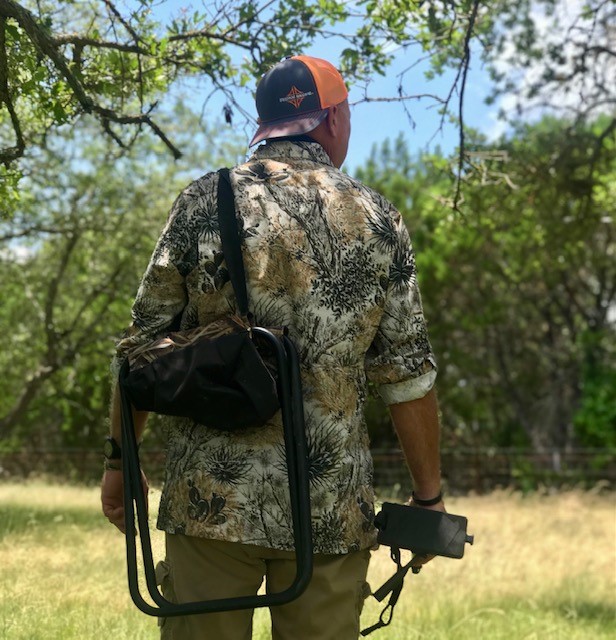
Whether you’re against wireless trail cameras or just don’t want the hassle or expense, you can always scout in person